Skip to content
Submit
Close search
The University of Sydney
Library
Current students
Staff intranet
Home
About
expand
collapse
About
About us
Governance
Open access
Accessibility
Projects
Browse
expand
collapse
Browse
Books
Series
Subjects
Blog
Contact
expand
collapse
Contact
Authors
Customers
Booksellers
Librarians
Contact us
Home
About
expand
About us
Governance
Open access
Accessibility
Projects
Browse
expand
Books
Series
Subjects
Blog
Contact
expand
Authors
Customers
Booksellers
Librarians
Contact us
Submit
Search
Log in
Cart
Cart
expand/collapse
Pause slideshow
Play slideshow
Recently published
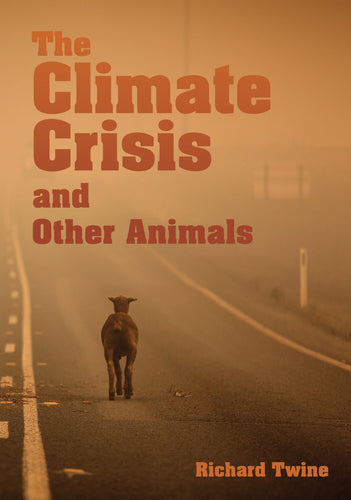
The Climate Crisis and Other Animals (paperback)
Regular price
$40.00
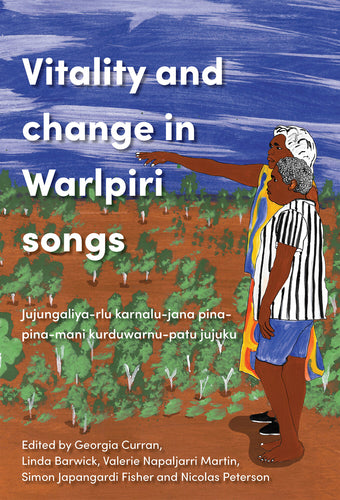
Vitality and Change in Warlpiri Songs
Regular price
$50.00
Living Twice
Regular price
$30.00
At a Turning Point
Regular price
$50.00
View all
Forthcoming
Yuupurnju: A Warlpiri song cycle
Regular price
$80.00
After Alexander
Regular price
$100.00
Making Animals Public
Regular price
$40.00
Time, Tide and History
Regular price
$60.00
Featured collection: China Studies
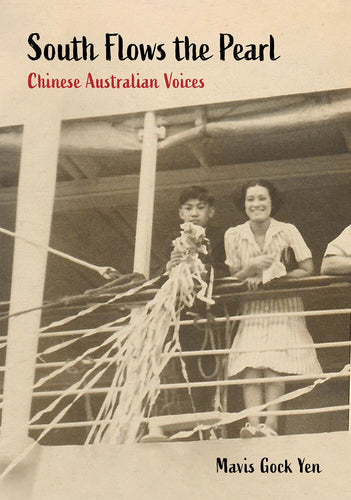
South Flows the Pearl
Regular price
$40.00
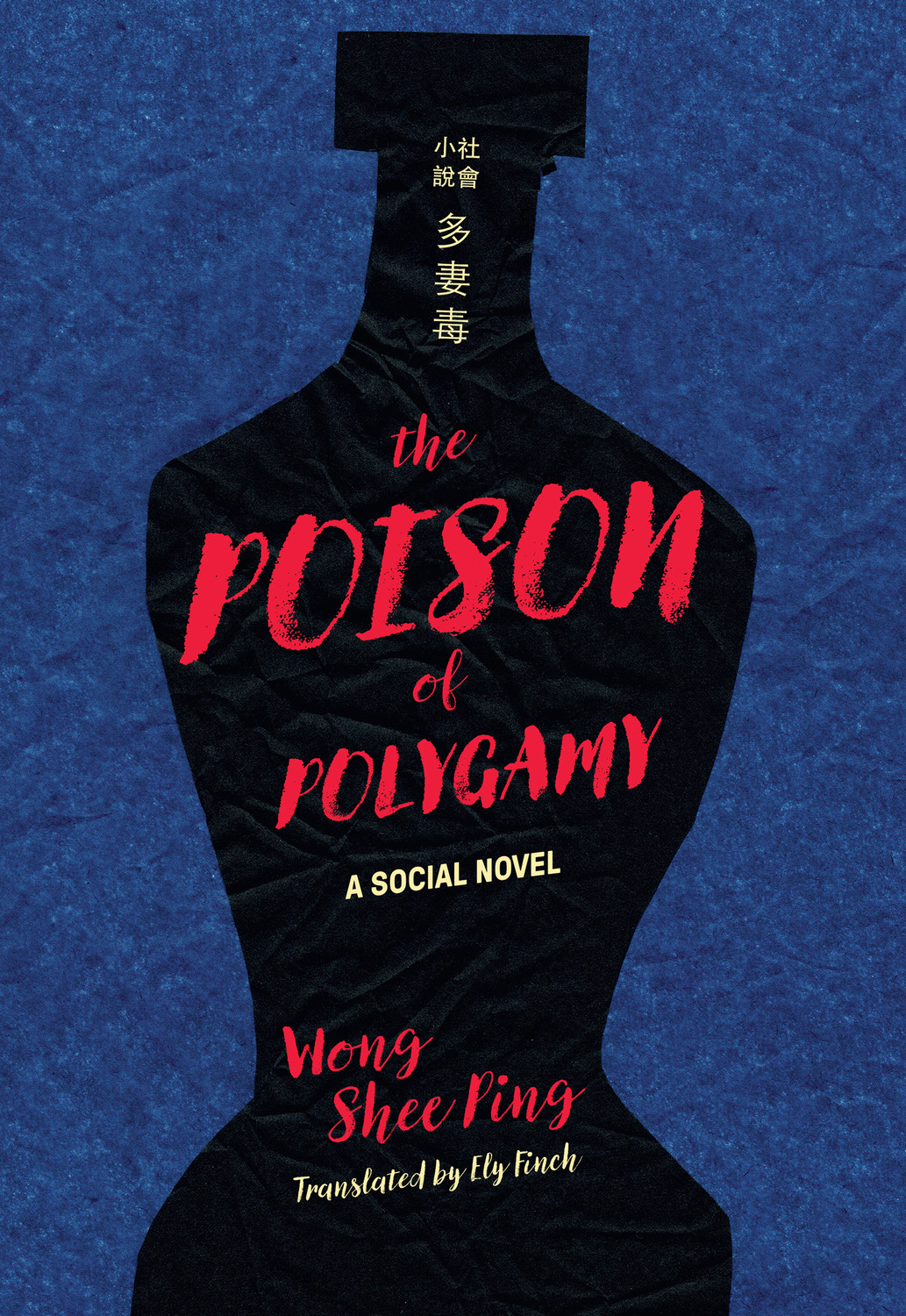
The Poison of Polygamy
Regular price
$45.00
Tribute and Trade
Regular price
$45.00
Open Access
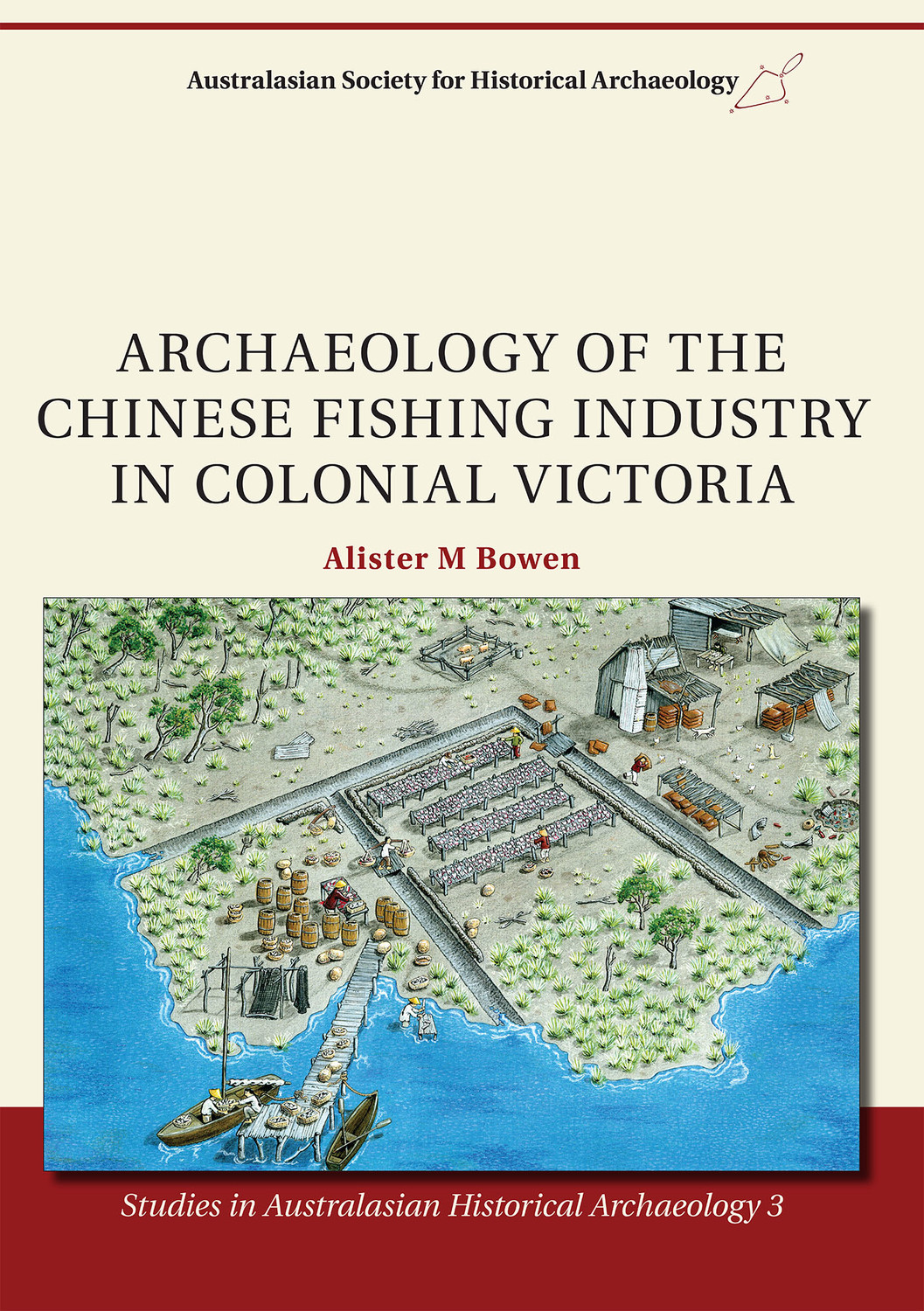
Archaeology of the Chinese Fishing Industry in Colonial Victoria
Regular price
$45.00